
When Mate was named one of LinkedIn’s Top Startups, the first question I asked myself was: what actually makes a company grow? A great product, the right market, strong technology, good timing and execution all matter. But I work on the people side of Mate every day, and from where I sit, the answer is people.
I know that’s the biggest cliché in HR. I still believe it, especially at an early-stage startup, where every person you hire has an outsized impact. They shape the product, the culture, the standards, how decisions get made, and eventually who joins after them.
We’ve been lucky to bring some of the strongest people in our industry to Mate. Many of them left great jobs at great companies, with strong careers, good compensation and plenty of other options. So why would they leave all that for a startup that’s still early in its journey? When I talk to them, two reasons come up the most.
Great people attract great people
The first reason is simple: people want to work with people they respect.
Our founders are exceptionally strong, and that gives the company a kind of gravity. When you meet people who are ambitious, sharp and excited about what they’re building, you want to be around them. You want to learn from them, push back on them, and see what you can build together.
That effect builds on itself. Strong founders attract strong early employees, those employees attract other great people, and over time the bar becomes part of who the company is.
Anyone considering Mate is looking at the company, the technology, the compensation and the opportunity. But they’re also looking around the room and asking: Who will I work with? Who will I learn from? Who will challenge me? The strongest candidates I meet care a lot about those answers. Once great people are surrounded by other great people, that becomes one of the best reasons for the next person to join.
The second reason has to do with how people actually get to work once they’re here.
People who love what they do don’t want to stay in a box. The people we want to hire love what they do. They’re curious about their craft, they want to keep getting better, and they want to understand what’s happening beyond the edges of their role. People like that rarely do their best work inside rigid boundaries.
One of my favorite things about Mate is how few of those boundaries we have. Our engineers talk to customers. Our salespeople influence the product. Our researchers have an impact far beyond research. Everyone has a role, responsibilities and goals, but your job description doesn’t limit your impact. You don’t hear “that’s not my job” here. If you see something that needs to be built, fixed, challenged or changed, you can jump in.
When you hire people who love their work, that freedom is powerful. They want to see the bigger picture and understand how what they do each day connects to where the company is going. Above all, they want to know their work matters, and an early-stage startup can offer that in a way few other places can.
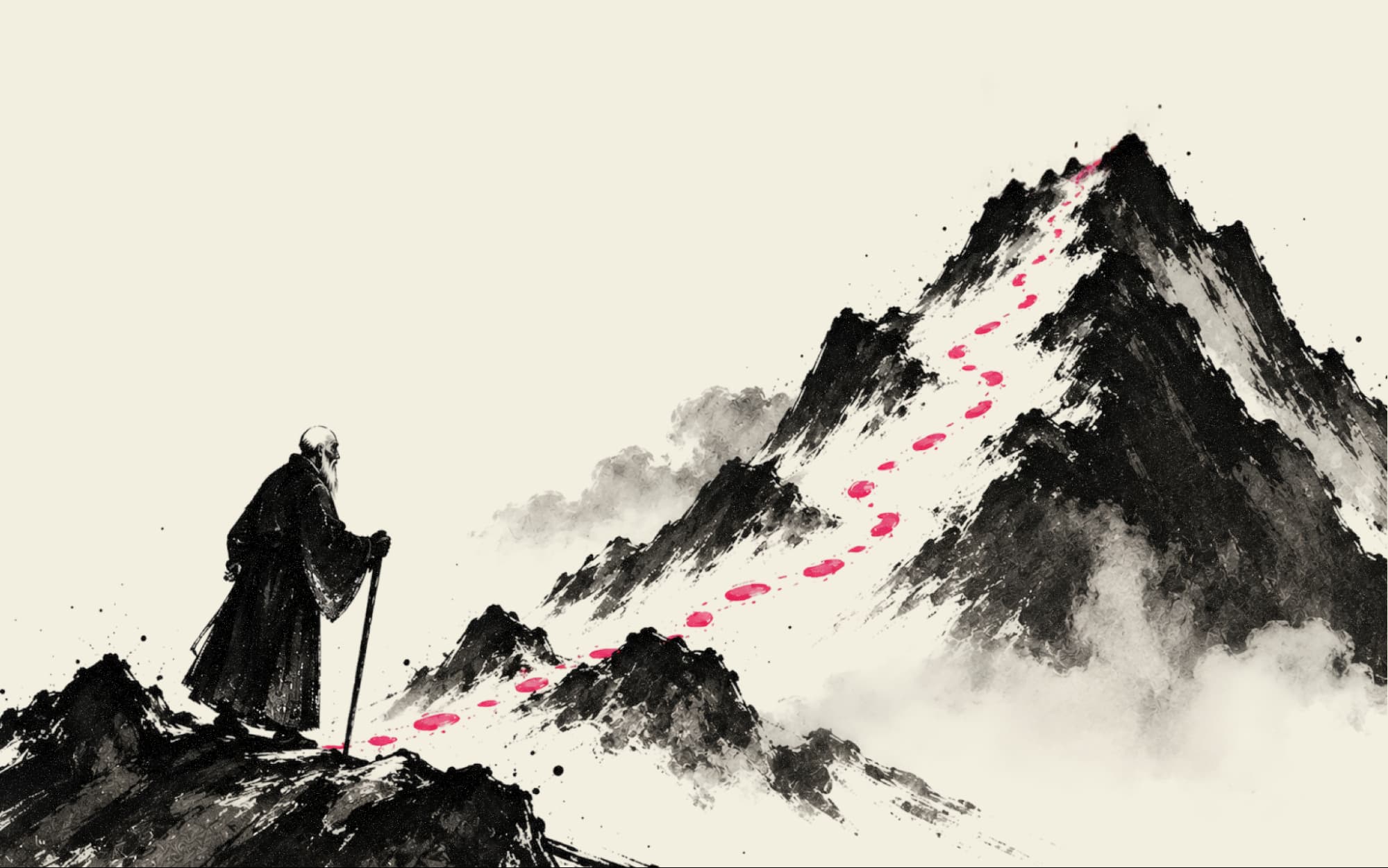
You can see your fingerprints on the company
At a large, established company, you can have a big role and do great work, but you’re stepping into something that was built over many years. At an early-stage company, much of it is still taking shape around you.
Six months in, you can look back and see things that exist because you were there. A product decision you influenced. A customer you helped win. A process you created. Someone you brought onto the team. A problem nobody owned until you took it on.
Your fingerprints start showing up everywhere.
Exceptional people find that very appealing. They want a chance to matter, to help build a company they believe in, and to know they played a real part in getting it where it’s going. Everyone at Mate is part of that building process in some way, and seeing it clearly has changed how I think about recruiting.
What this means for HR
I don’t see our job as convincing great people to join Mate. The best hires are people who are already excited about the environment we’re building. They want real ownership and understand the responsibility that comes with it. They’re comfortable hearing “we haven’t figured that out yet.” When they see an unsolved problem, they start thinking about how they’d solve it. Those are the people who thrive here.
Once they join, our responsibility grows. If we tell people they can have real impact here, we have to keep that true as the company grows. Growth brings structure: more processes, bigger teams, clearer responsibilities. Much of that is necessary. The challenge is keeping that structure from turning into walls.
As we scale, I want great people to keep having room to move, question, influence and build. I want us to keep the bar high even as we hire faster. And I want the things that drew exceptional people to Mate to get stronger as we grow, not weaker. For me, that’s one of the hardest and most important parts of building a company.
People build companies
Being named one of LinkedIn’s Top Startups is exciting, and we should celebrate it. It also reminds me of everything that happened before it. Thousands of decisions, conversations, risks, ideas, mistakes, late nights, customer calls, interviews, product debates and small moments of ownership slowly turned a group of people into a company.
The product, the technology, the market and the strategy all matter, but people build every one of them. Maybe that’s why the biggest cliché in HR has lasted so long: people really are everything.
By Mika Shtrowise, Head of HR, Mate
Being named one of LinkedIn’s Top Startups made me stop for a moment and think about what actually makes a company grow. There are obviously many answers. A great product, the right market, strong technology, timing, execution. All of those things matter.But after spending my days building Mate from the people side, I keep coming back to the same answer: people.
It might be the biggest cliché in HR, but I genuinely believe that people are the engine behind a company’s success, especially at an early-stage startup.
At this stage, every person you bring into the company has an outsized impact. They influence the product, the culture, the standards, the way decisions are made, and eventually, the people who will join after them.
And that made me think about something else.
We’ve been fortunate to bring some of the strongest people in our industry to Mate. Many of them came from incredible companies, had great jobs, strong careers, great compensation, and plenty of opportunities in front of them.
So why leave all of that to join a startup that is still relatively early in its journey?
I think there are two reasons I see again and again.
Great people attract great people
The first one is pretty simple. People want to work with people they respect.
We have incredibly strong founders, and I think that creates a certain gravity around a company. When you meet people who are ambitious, sharp, and genuinely excited about what they’re building, you want to be around them. You want to learn from them, challenge them, and see what you can build together.
Then that starts to compound.
Strong founders attract strong early employees. Those employees attract other great people. Over time, the bar becomes part of the company itself.
When someone considers joining Mate, of course they’re evaluating the company, the technology, the compensation, and the opportunity. But they’re also looking around the room and asking themselves: Who am I going to work with? Who am I going to learn from? Who is going to challenge me? Who will I be building alongside?
The strongest people I meet care a lot about the answers to those questions.
And once you create an environment where great people are surrounded by other great people, it becomes one of the strongest reasons for the next person to join.
But there’s another part of this that I think matters just as much.
People who love what they do don’t want to stay inside a box
The people we want to hire genuinely love what they do.
They’re curious about their craft, they care about getting better, and they naturally want to understand what’s happening beyond the narrow definition of their role.
People like that usually don’t do their best work inside very rigid boundaries.
One of my favorite things about Mate is how little those boundaries exist here.
Our engineers talk to customers. Our salespeople influence the product. Our researchers have an impact far beyond research. You see examples of this everywhere across the company.
Of course people have roles, responsibilities, and goals. But your job description doesn’t define the boundaries of your impact here.
There isn’t much of a “this isn’t my job” mindset.
If you see something that needs to be built, improved, challenged, or changed, you can get involved. And when you hire people who genuinely love what they do, that freedom becomes incredibly powerful.
Because the strongest people I meet want to understand the bigger picture. They want to build, influence, ask questions, and see the connection between what they do every day and where the company is going.
Most of all, they want to feel that what they’re doing actually matters.
And I think an early-stage startup can offer that in a very unique way.
You can see your fingerprints on the company
At a large, established company, you can have a huge role and do incredible work, but you’re stepping into something that has already been built over many years.
At an early-stage company, so much is still taking shape around you.
You can look back six months later and see things that exist because you were there.
A product decision you influenced. A customer you helped win. A process you created. A person you brought into the company. A problem that nobody owned until you decided to own it.
Your fingerprints start showing up everywhere.
I think that feeling is incredibly attractive to exceptional people.
They want a chance to matter, to be part of building a company they believe is going somewhere, and to know that they played a meaningful role in getting it there.
There is no one at Mate who isn’t connected to that building process in some way.
And thinking about it this way has also changed how I think about recruiting.
What does this mean for HR?
I don’t think our job is simply to convince great people to join Mate.
The best hiring happens when you find people who are genuinely excited by the environment you’re building.
People who want real ownership and understand the responsibility that comes with it. People who are comfortable hearing, “We haven’t figured that out yet.” People who see an unfinished problem and immediately start thinking about how they would solve it.
Those are usually the people who thrive here.
And once they join, our responsibility becomes even bigger.
If we tell people they’re joining a place where they can have real impact, we have to make sure that remains true as the company grows.
Because growth naturally brings structure. Processes appear, teams get bigger, responsibilities become clearer, and a lot of that is necessary.
The challenge is making sure that structure doesn’t eventually turn into walls.
As we scale, I want us to keep giving great people room to move, question, influence, and build. I want us to keep the bar high even as we hire faster. And I want the things that attracted exceptional people to Mate in the first place to become stronger as we grow.
That, to me, is one of the hardest and most important parts of building a company.
People build companies
Being recognized as one of LinkedIn’s Top Startups is exciting, and it’s something we should absolutely celebrate.
But it also made me think about everything that happens before recognition like this ever arrives.
The thousands of decisions, conversations, risks, ideas, mistakes, late nights, customer calls, interviews, product debates, and small moments of ownership that slowly turn a group of people into a company.
The product matters. The technology matters. The market matters. The strategy matters.
People are the ones building all of it.
And maybe that’s why the biggest cliché in HR has stuck around for so long.
People really are everything.



.avif)