continuous threat hunting for the AI era
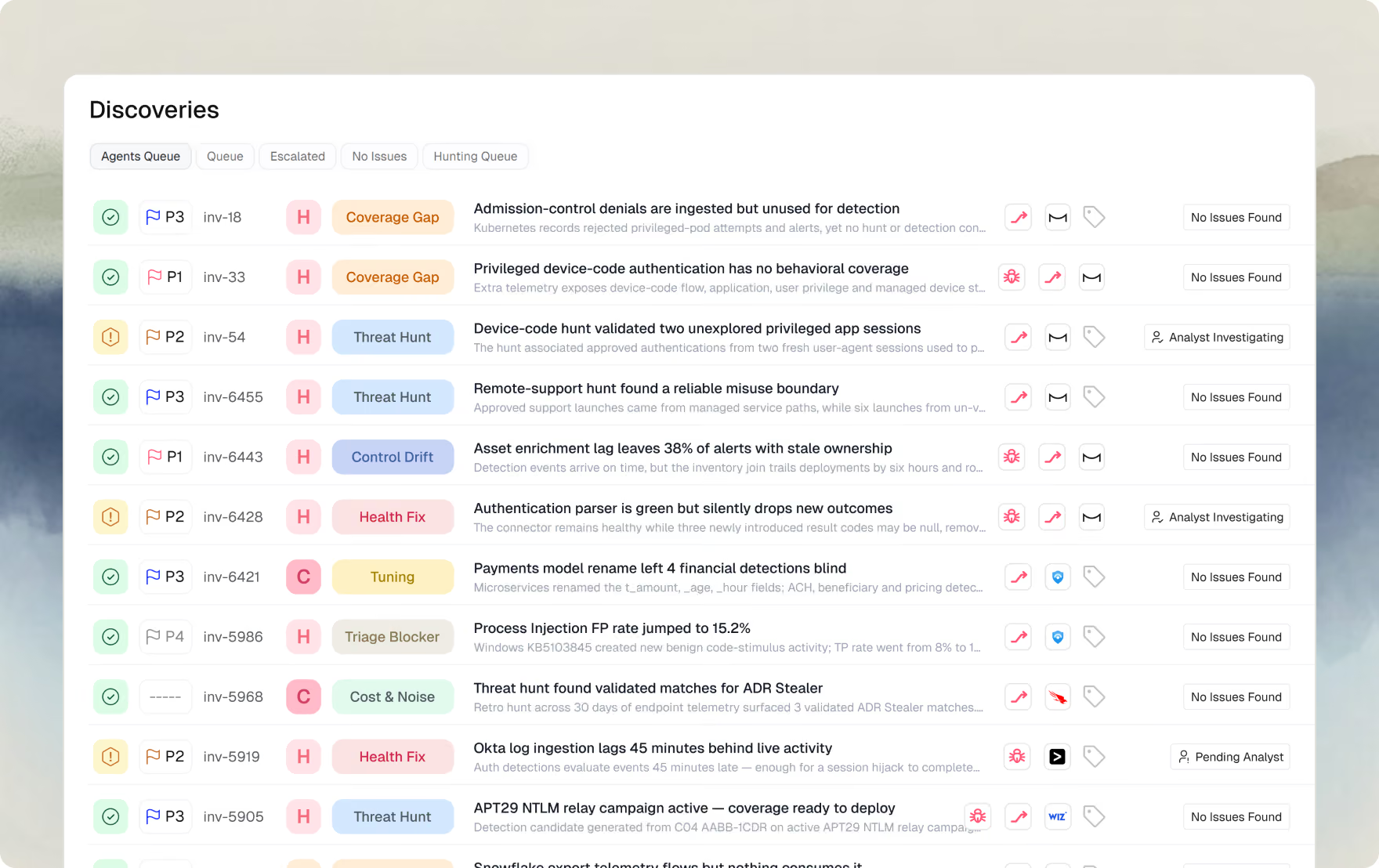
Mate’s agents proactively initiate hunts across your environment, continuously uncover attacks, discover their blast radius, and write detections to close coverage gaps. The hunts are directed and prioritized based on emerging threats and your environment’s risk and architecture.
Get a demoAI attackers beat detections
Attackers fly below your detection thresholds
Detections are tuned to a threshold and a known technique. AI-powered attackers beat both. They keep each action small, below the threshold, so nothing fires, and they chain those actions into a compromise.
Adversaries change faster than you can tune
AI attackers switch techniques before you've finished tuning the last detection, continuously outpacing detection engineering.
Threat hunting is either too narrow or too slow
A hunt is an unbounded problem. Without restricting the space, there's no end to where you could look - so hunters narrow to the known attacks of the APTs they think are targeting them. That's a small, biased slice, and most malicious activity falls outside that narrow scope.
The best threat hunters build their hypotheses based on your architecture, crown jewels, exposures, and threat models, but that takes a long time.
This makes the hunt expensive and slow,
so attackers succeed
Mate hunts proactively, continuously, across your environment
Agents initiate hunts, led by your architecture and context, so they can look for threats where it matters.
The Security Context Graph powers every hunt
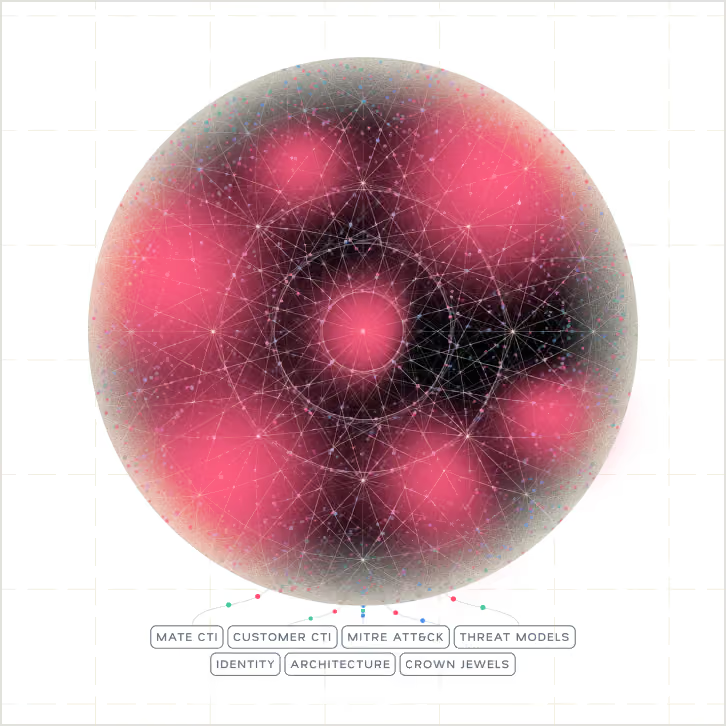
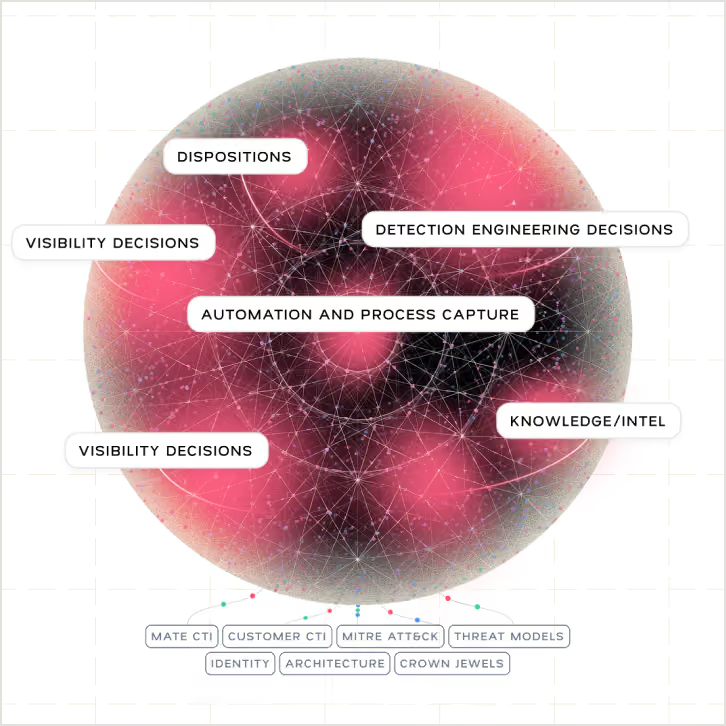
Mate’s Security Context Graph continuously maps your architecture, crown jewels, exposures, activity, and relationships - giving its Hunt Agents the context to understand where risk is highest.
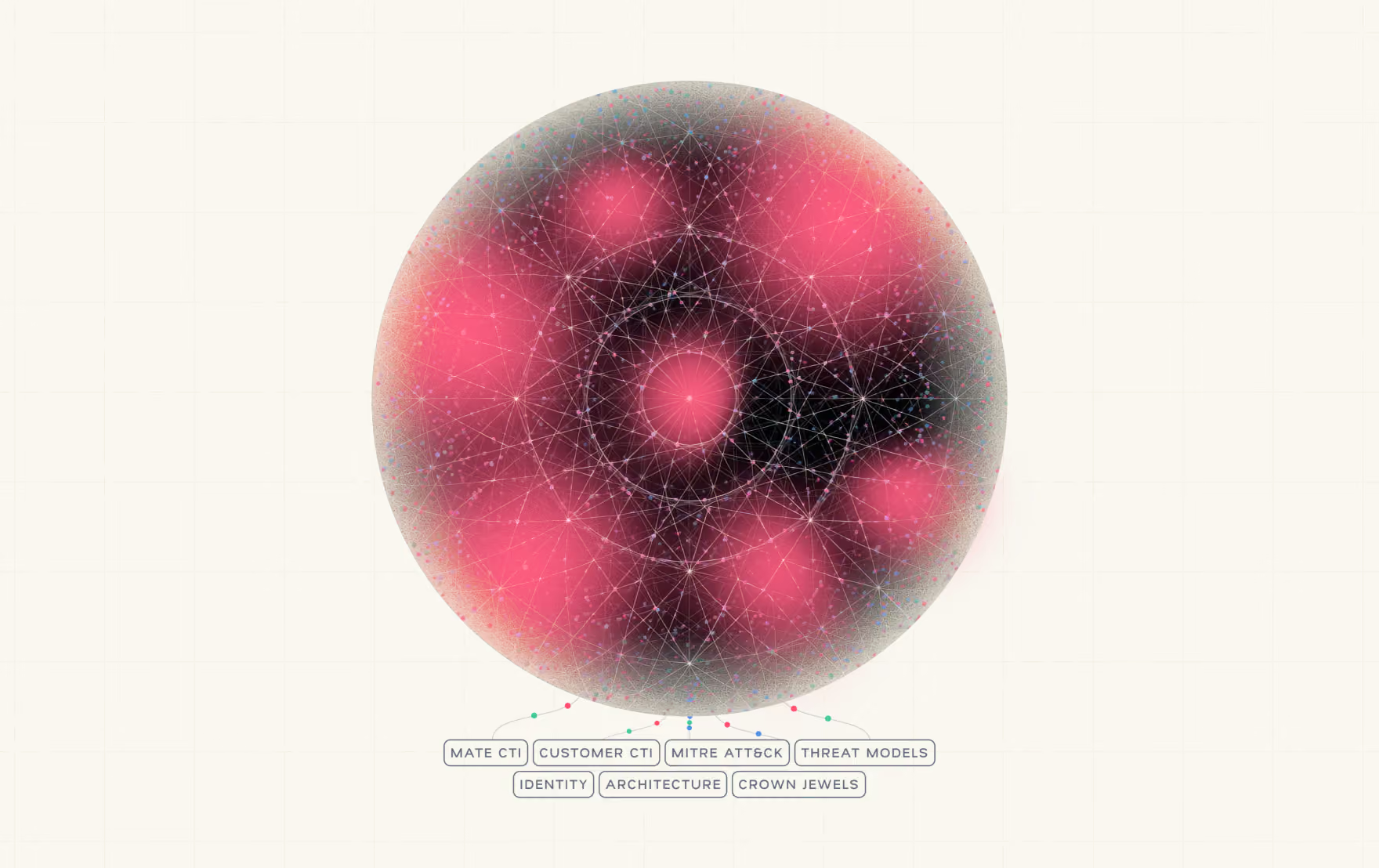
Turns up the resolution where it matters
Mate’s Hunt Agents zoom into targeted areas, then investigate through the noise and correlate weak signals across systems to surface activity that would otherwise stay under the radar.
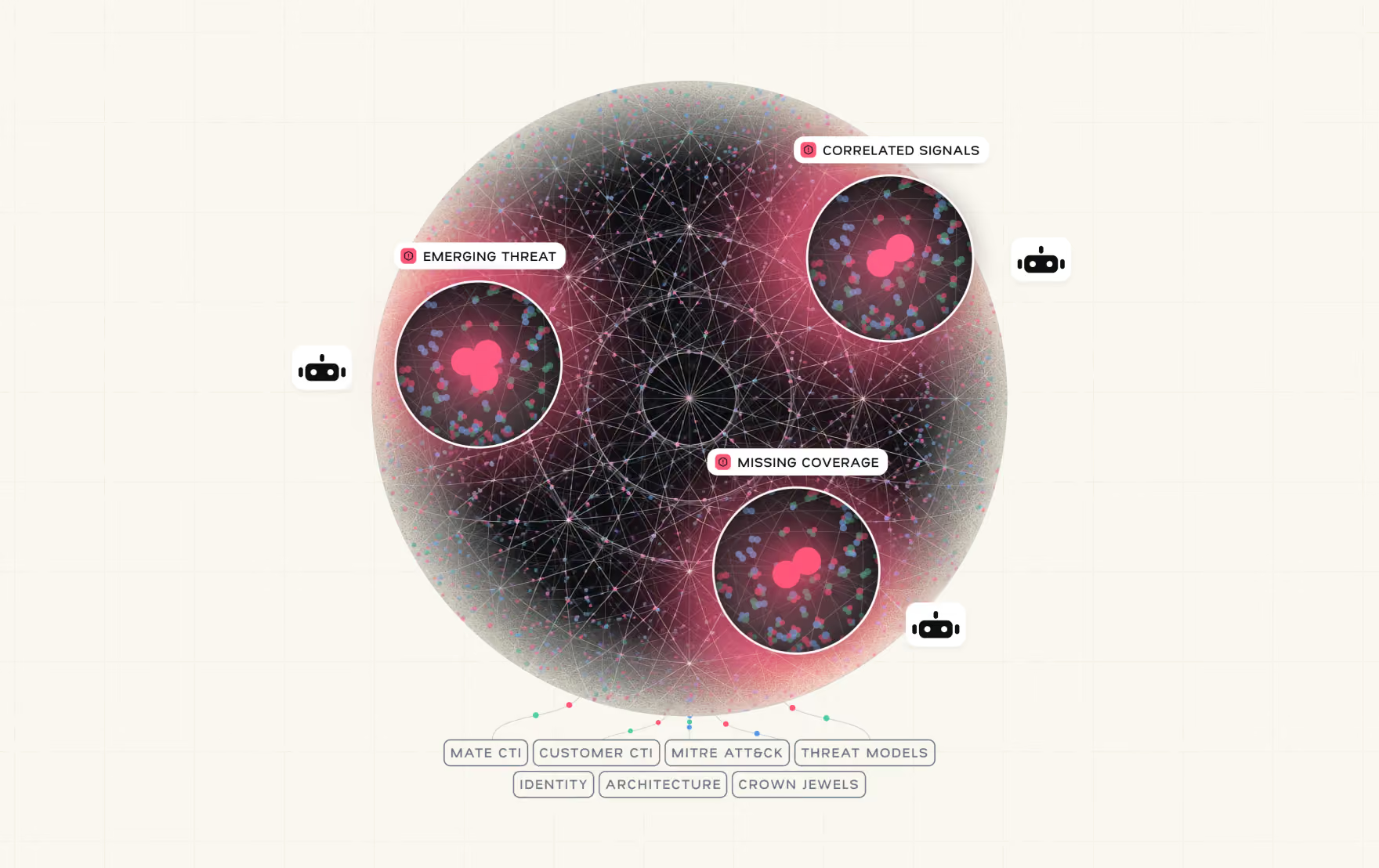
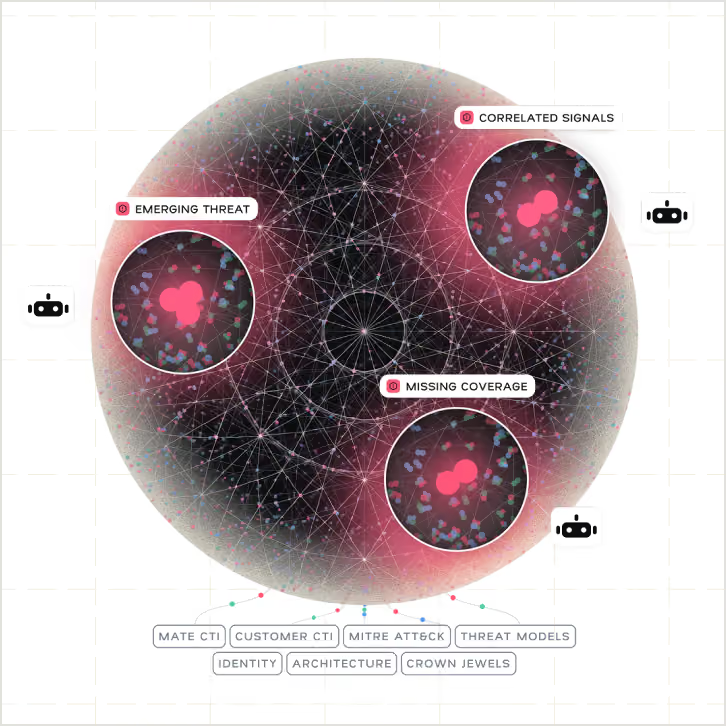
Follows the hunt wherever it leads
Mate moves through the environment, tunes detections as it goes, and immediately pulls additional logs and context when something looks wrong.
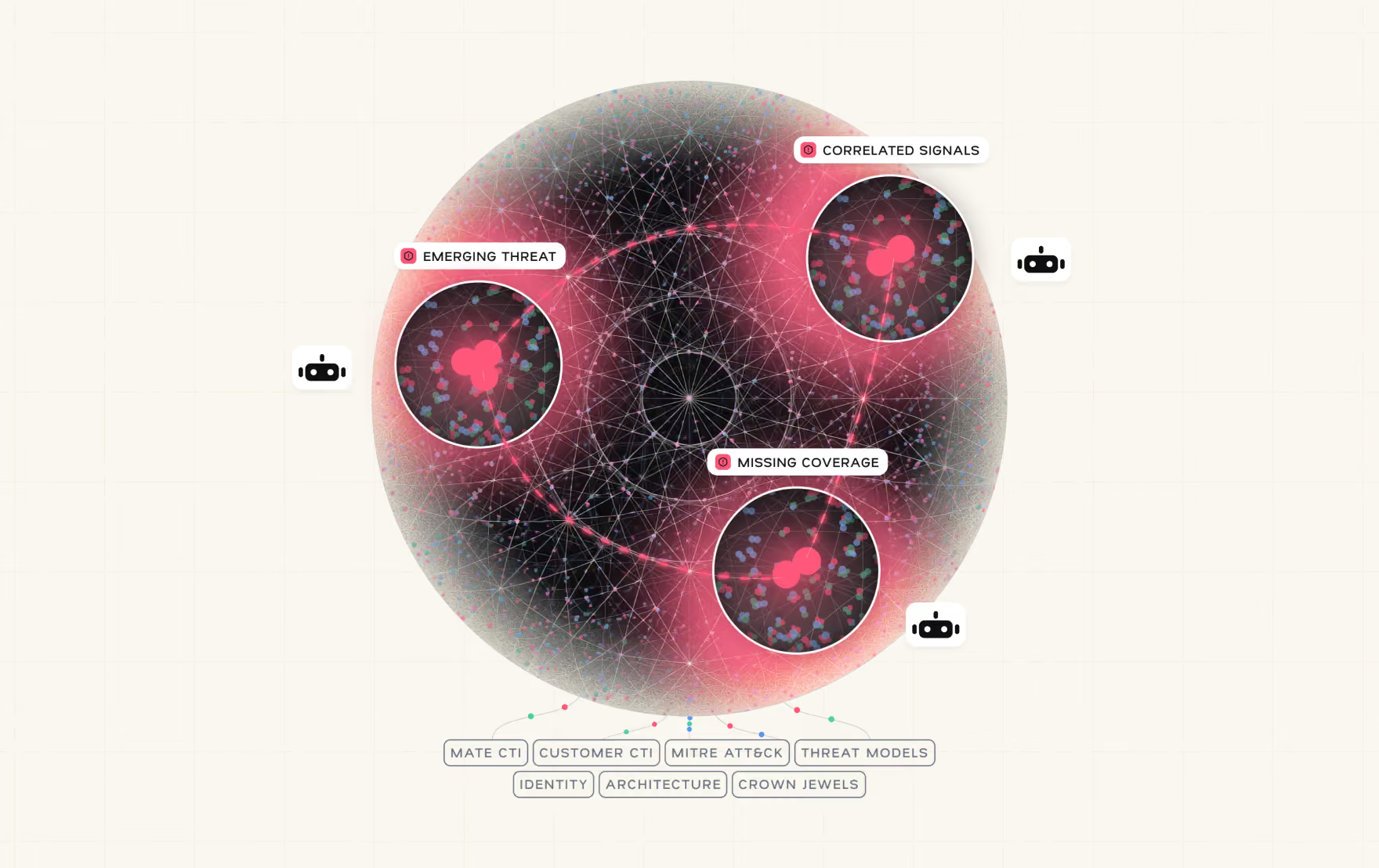
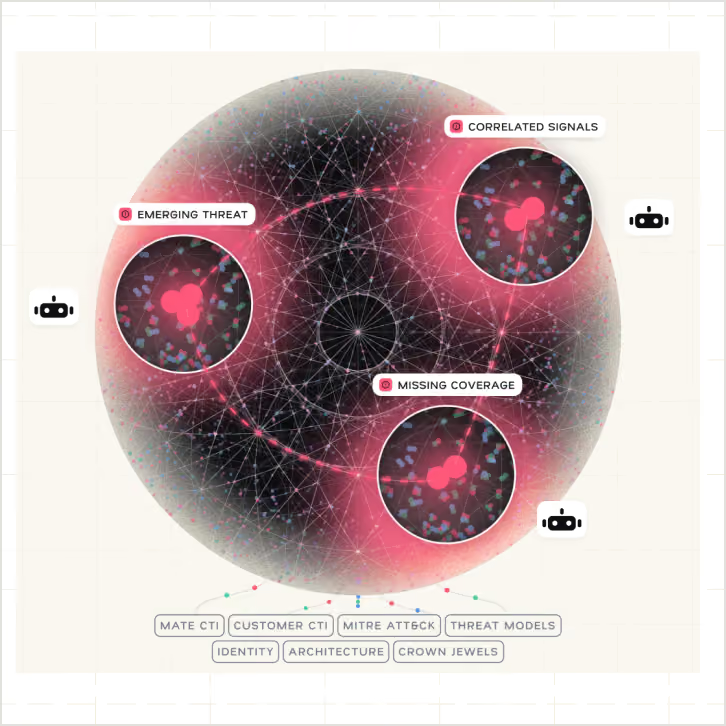
Every hunt expands your coverage
Hunts trigger investigations, investigations trigger new hunts, and what Mate learns becomes new detections - continuously closing gaps and expanding coverage.
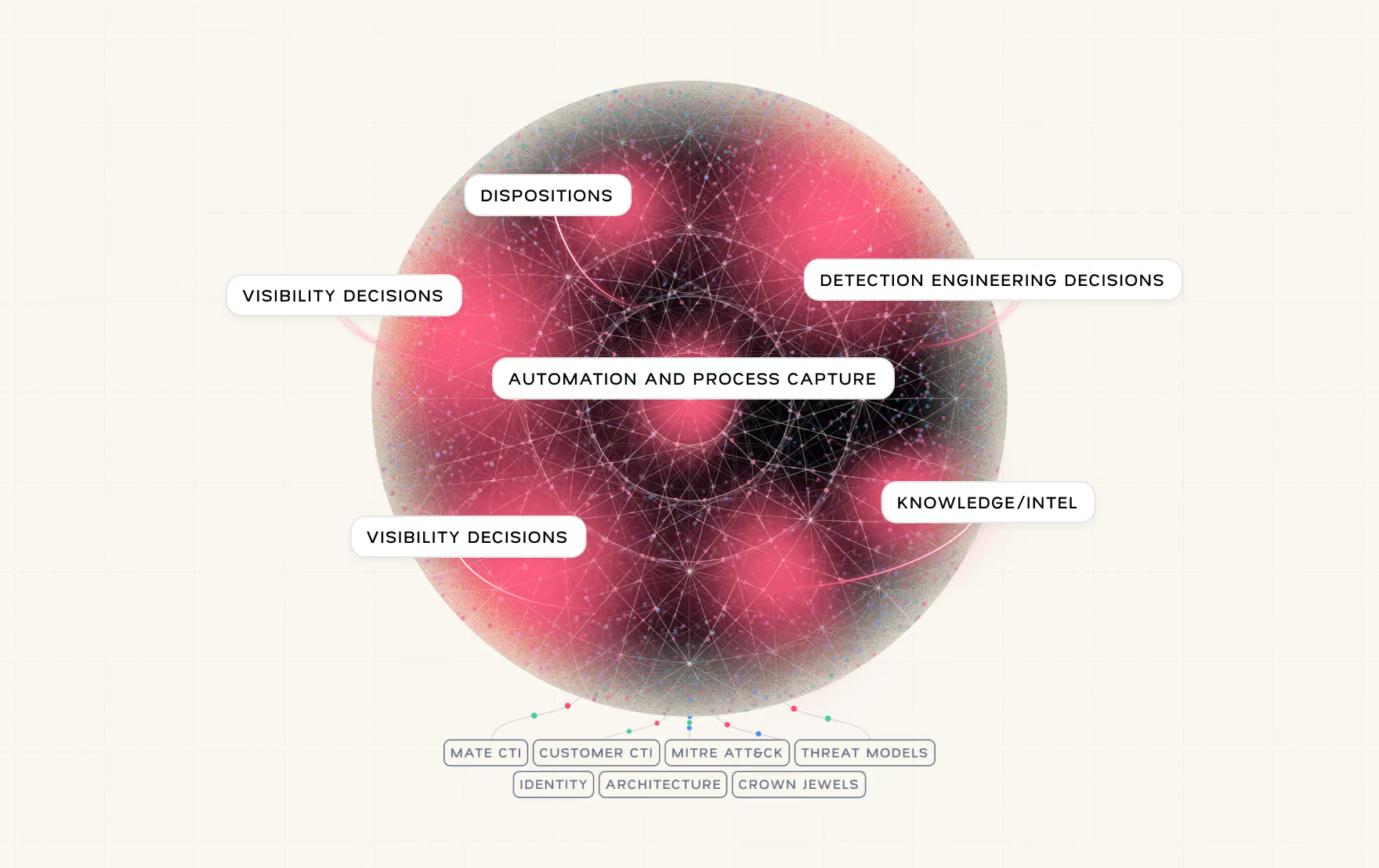
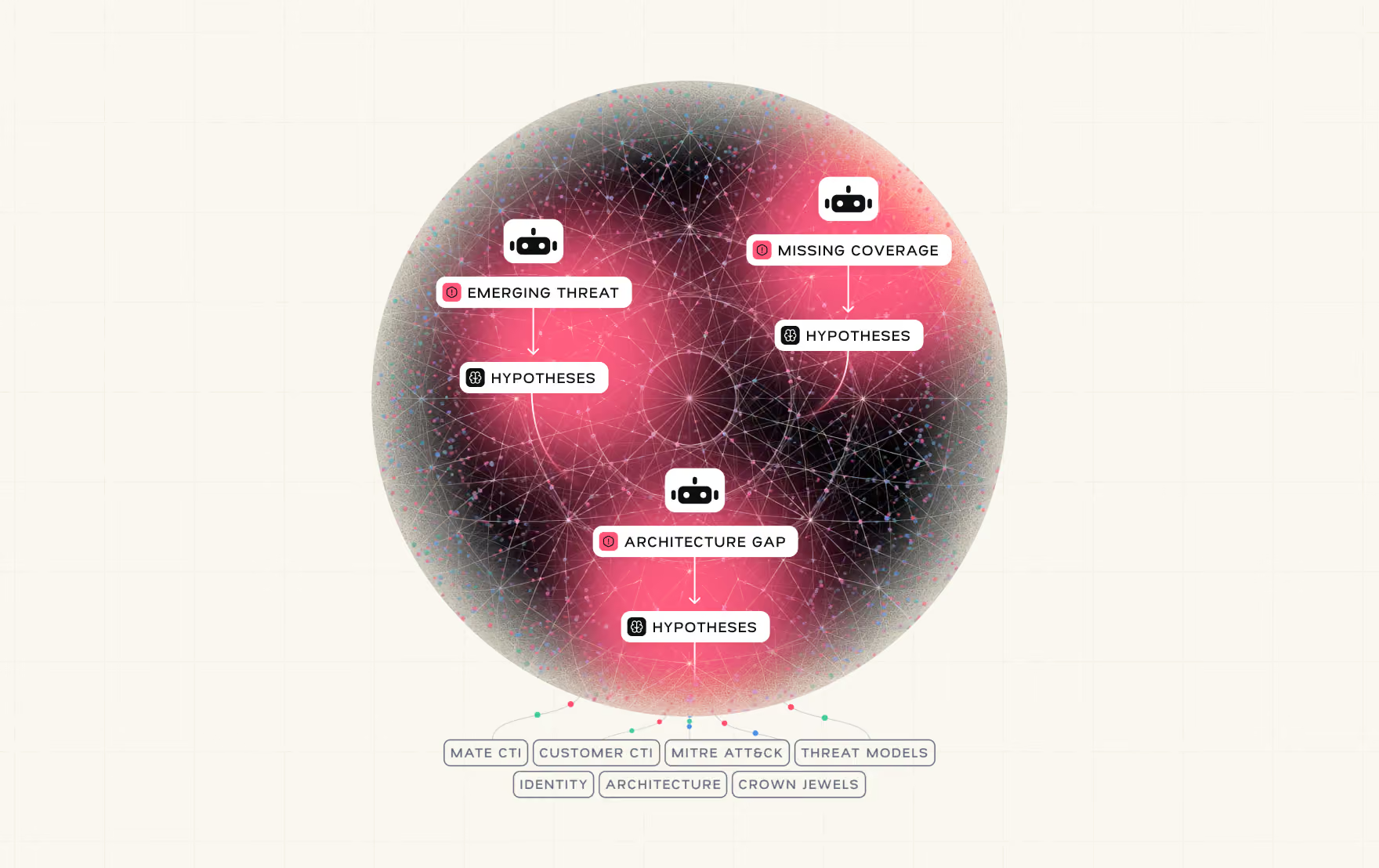
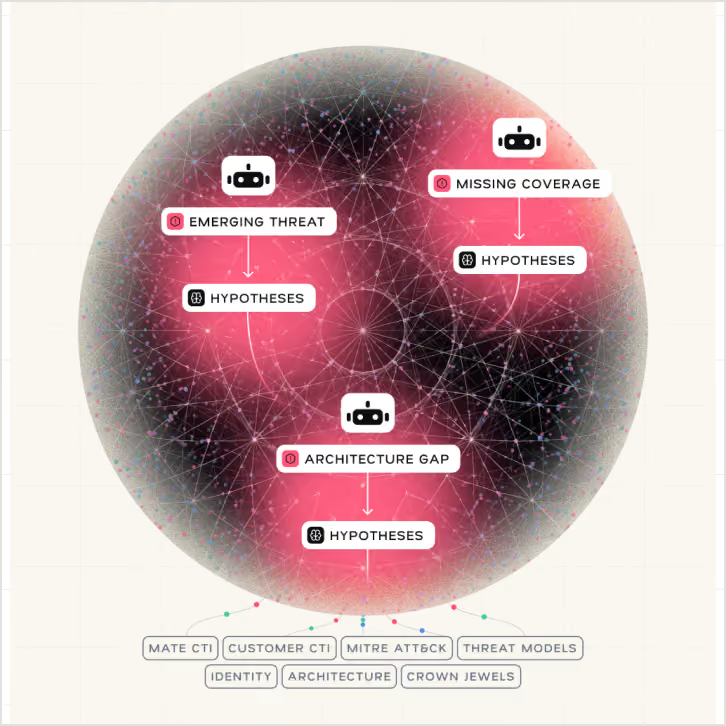
Hunts are proactive
No need to trigger a hunt, write a prompt, or drop a CTI report. Mate’s Hunt Agents build their own hypotheses and initiate hunts, triggered by changes in your environment and in the threat landscape.
Contextual Hunts Surface More Threats
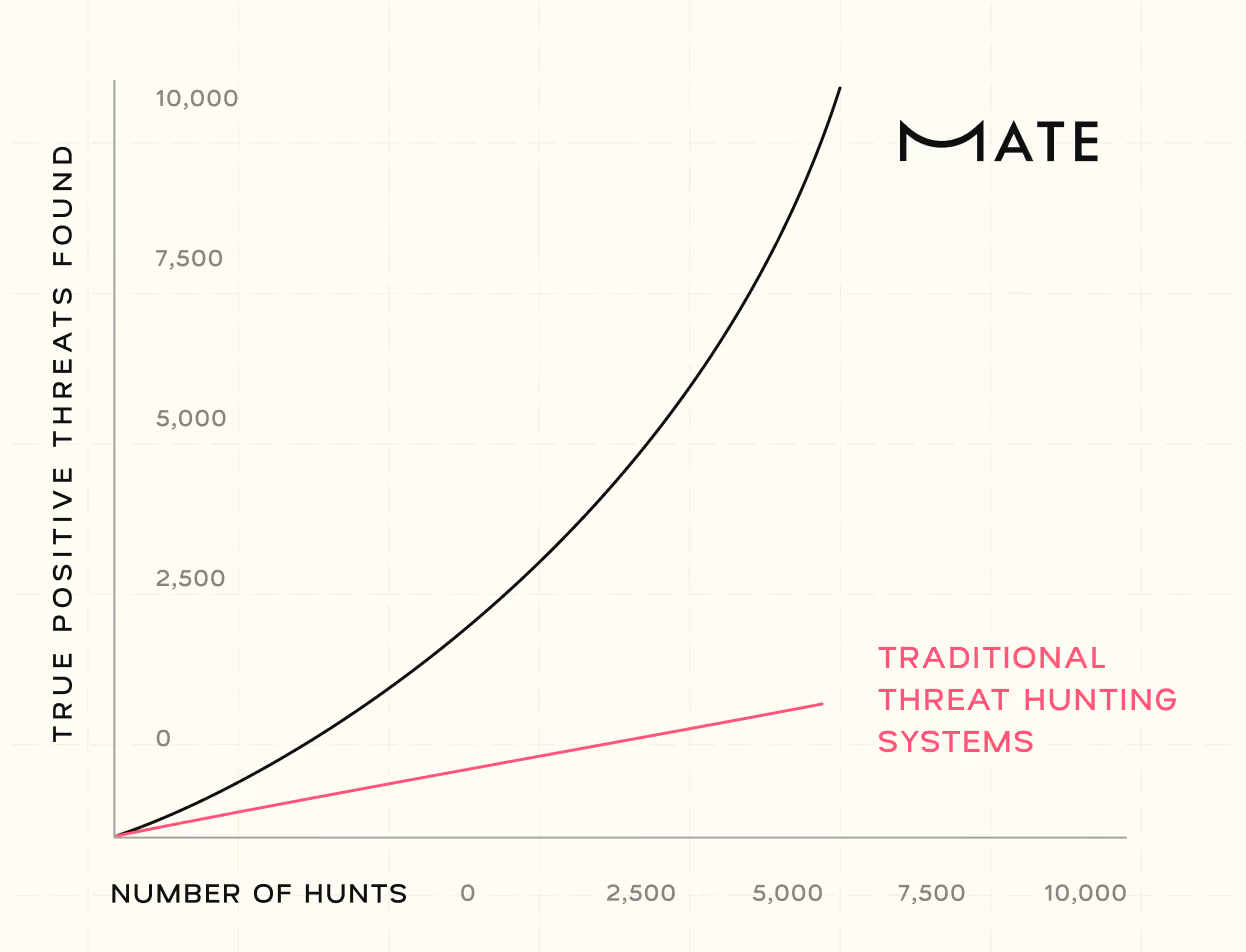
Mate is the only platform running contexual, architecture-led hunts. It learns your architecture, understands potential attack paths and hunts for threats. This raises the ratio of true positives surfaced per hunt, which means that you find more threats for the same number of hunts.
Contextual Hunt vs. Flat Hunt
Contextual hunts are efficient and prioritized. They will often surface true positives that "flat" hunts don't.

"Look for the behavior across every endpoint and return the matches."
"Understand which identities have meaningful access, which devices they use, which systems they reach, and where those paths intersect weak controls or poor visibility, and prioritize your hunt."
SIEM data shows a normal user on a managed laptop.

This laptop shows a privileged identity touching an unmanaged machine that still has a trust path into production.

Continuous risk reduction
Mate hunts across all sources, and finds anything worth fixing: threats, posture gaps, misconfigurations and more.
One hunt, every tool
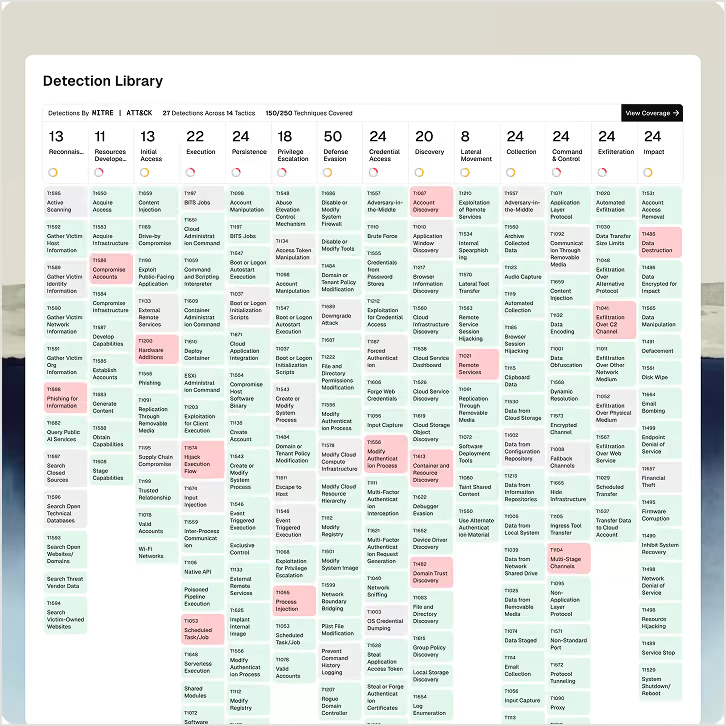
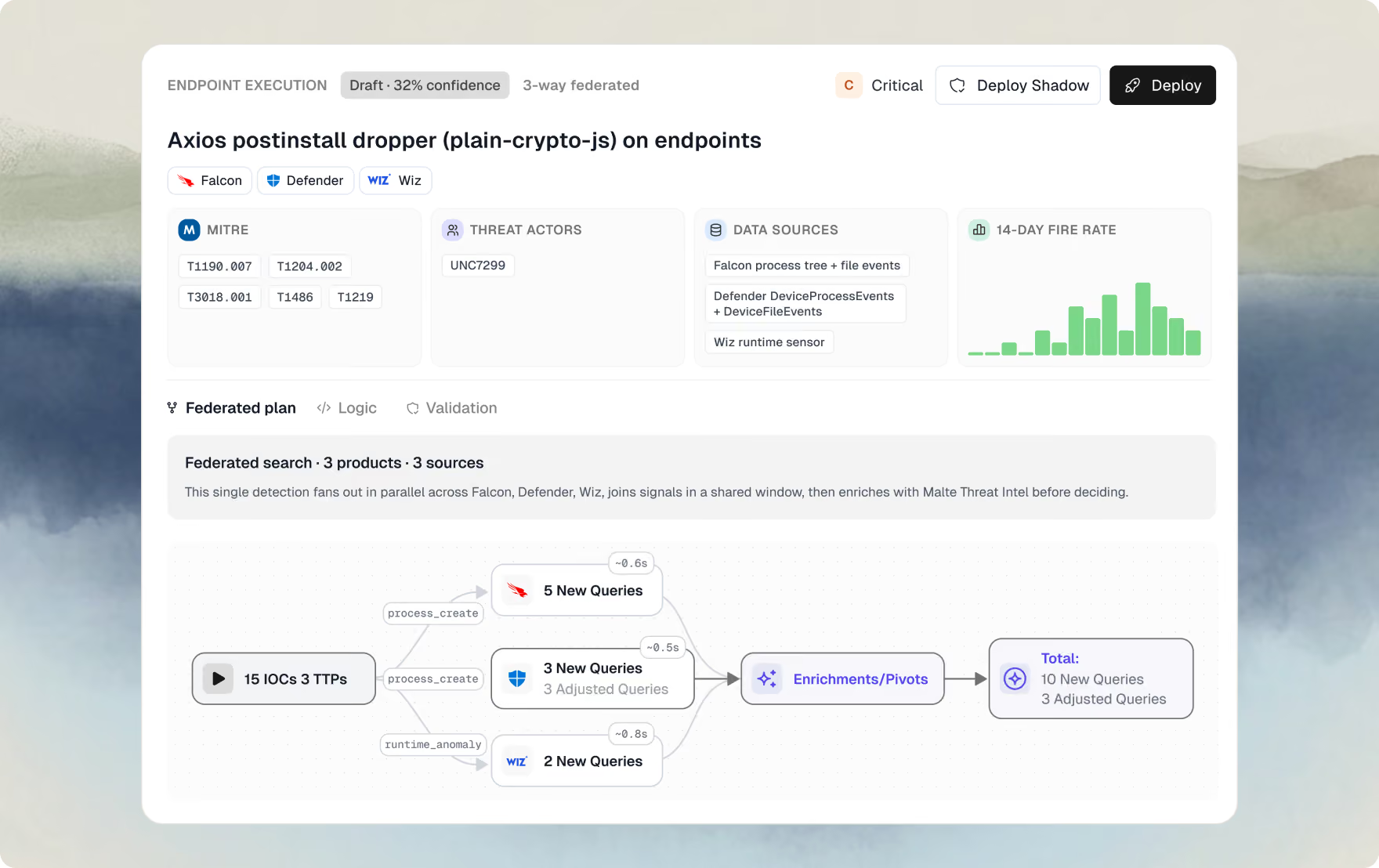
Find every match across your tools, correlated into one picture and mapped to MITRE, with a detection ready to deploy.
Every hunt increases your resilience
Mate's agentic hunt finds threats and detection coverage gaps, helps you find root cause, and prevents the next attack. It also surfaces architectural gaps, posture findings, exposure gaps, configuration issues, and health issues, and provides recommended fixes.
Close coverage gaps
Hunts and investigations are used to create and tune detections, updating your Context Graph, so coverage continuously compounds and drift is minimized.