
the agentic game plan for investigation and response
A Gamebook is Mate’s investigation process - built for AI agents. SOAR playbooks are deterministic and brittle. Unbounded AI SOC agents are hard to trust. Gamebooks are the sweet spot: a structured investigation process where AI agents reason and pivot dynamically within every step, and are fully customizable to align with your processes.
Get a demo

The Evolution of Automation
Different philosophies. Different outcomes.
Human-Authored Playbooks
Fully deterministic investigation. Brittle and breaks when things change. Needs ongoing maintenance


AI-Authored Playbooks
Same playbook architecture. AI-assisted authoring reduces maintenance but all other problems remain.

Glass Box AI
Dynamic, but unbounded - inefficient and hard to trust. Does not follow your playbooks. Not customizable.

hard to trust
Designed Intent
Follows your SOPs. Dynamic & agentic in each step, with boundaries. Extendible and open.
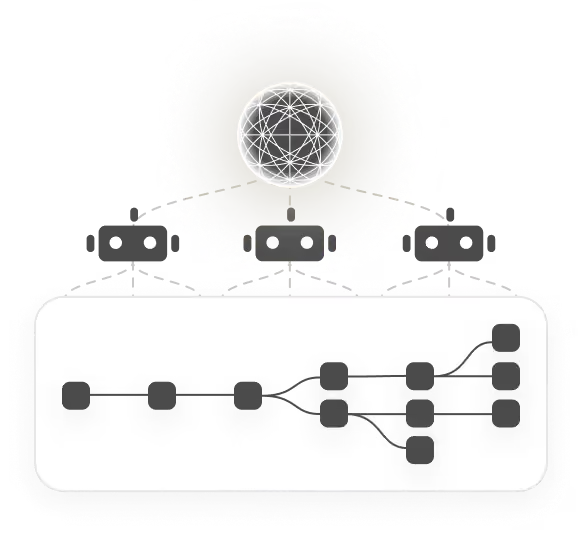


Deterministic where it can. intelligent where you need it.
A football team doesn't script the whole game before kickoff, but it has a game plan: what to achieve, how to read the field, which rules never break. A Gamebook works the same way: investigative intent, not vendor API calls.
What a Gamebook Knows





how gamebooks work

Gamebooks are deterministic about intent.
A gamebook defines how to investigate, what evidence is required, which actions are permitted, and what approval boundaries apply.

Agents are dynamic about execution.
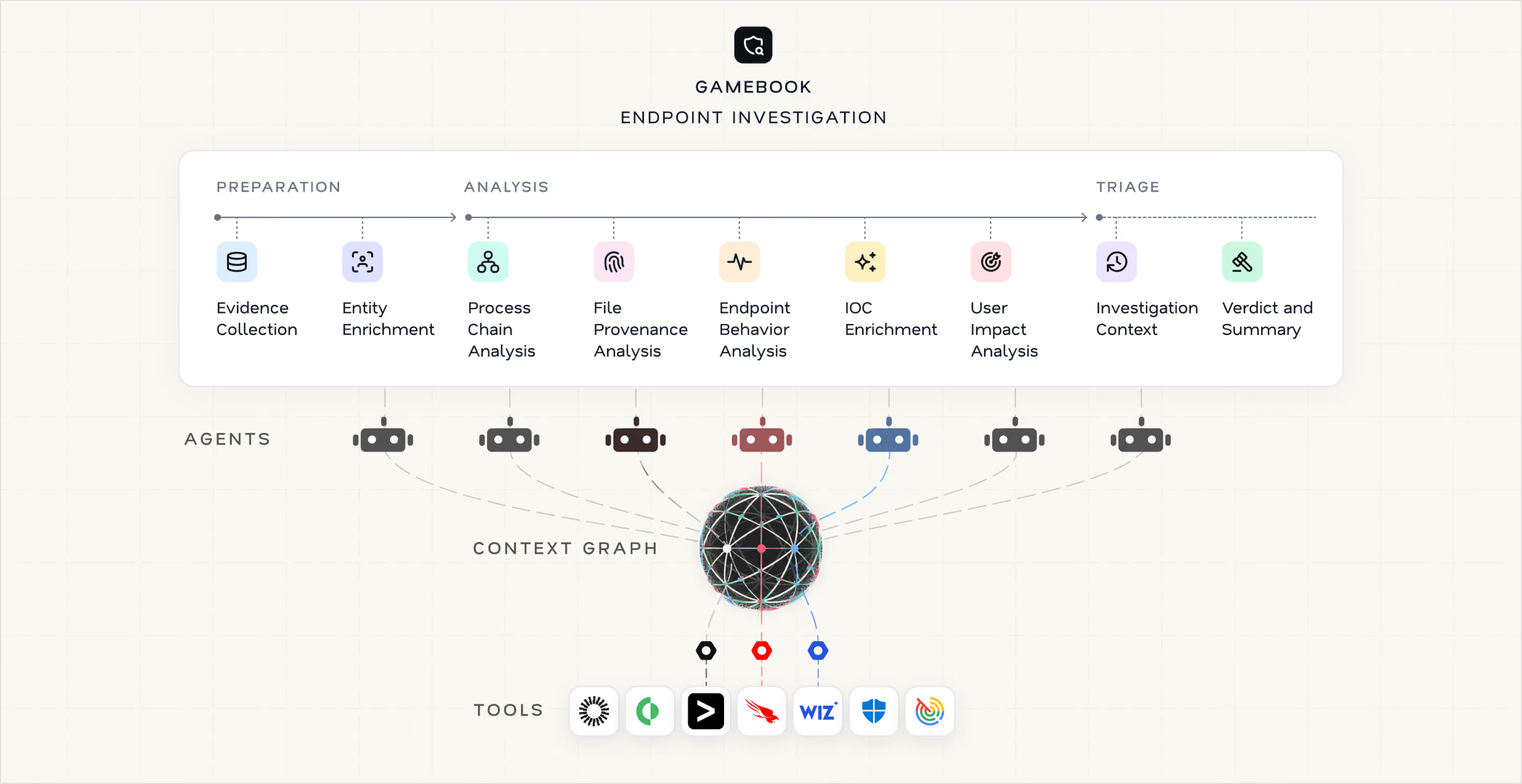
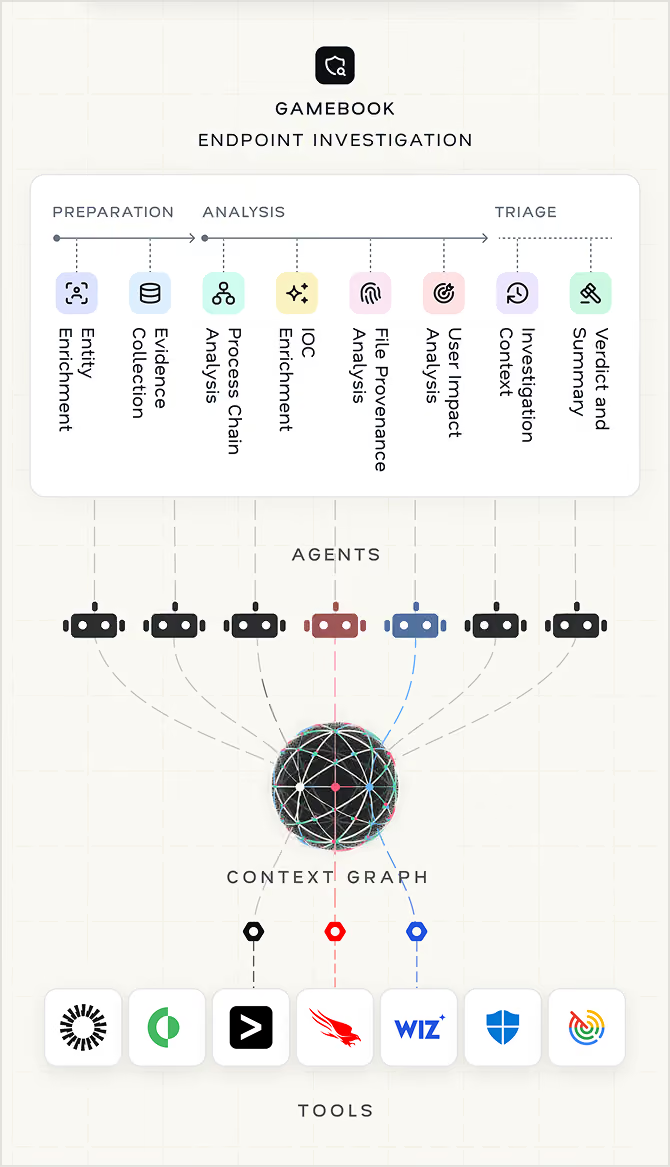
Gamebooks activate agents. Agents decide which skills to invoke next, which evidence to pursue, and when new context requires a pivot.

Tool use is abstracted
Tools are queried as a separate flow, with access restrictions for their current task. An Endpoint Profile Collection Flow might collect information from the sources available in that environment: CrowdStrike, Microsoft Defender, Device42, An MDM platform or a custom data lake. Tools can easily be changed by replacing Flows, without breaking investigation processes.


customize, build
Make them Your Own
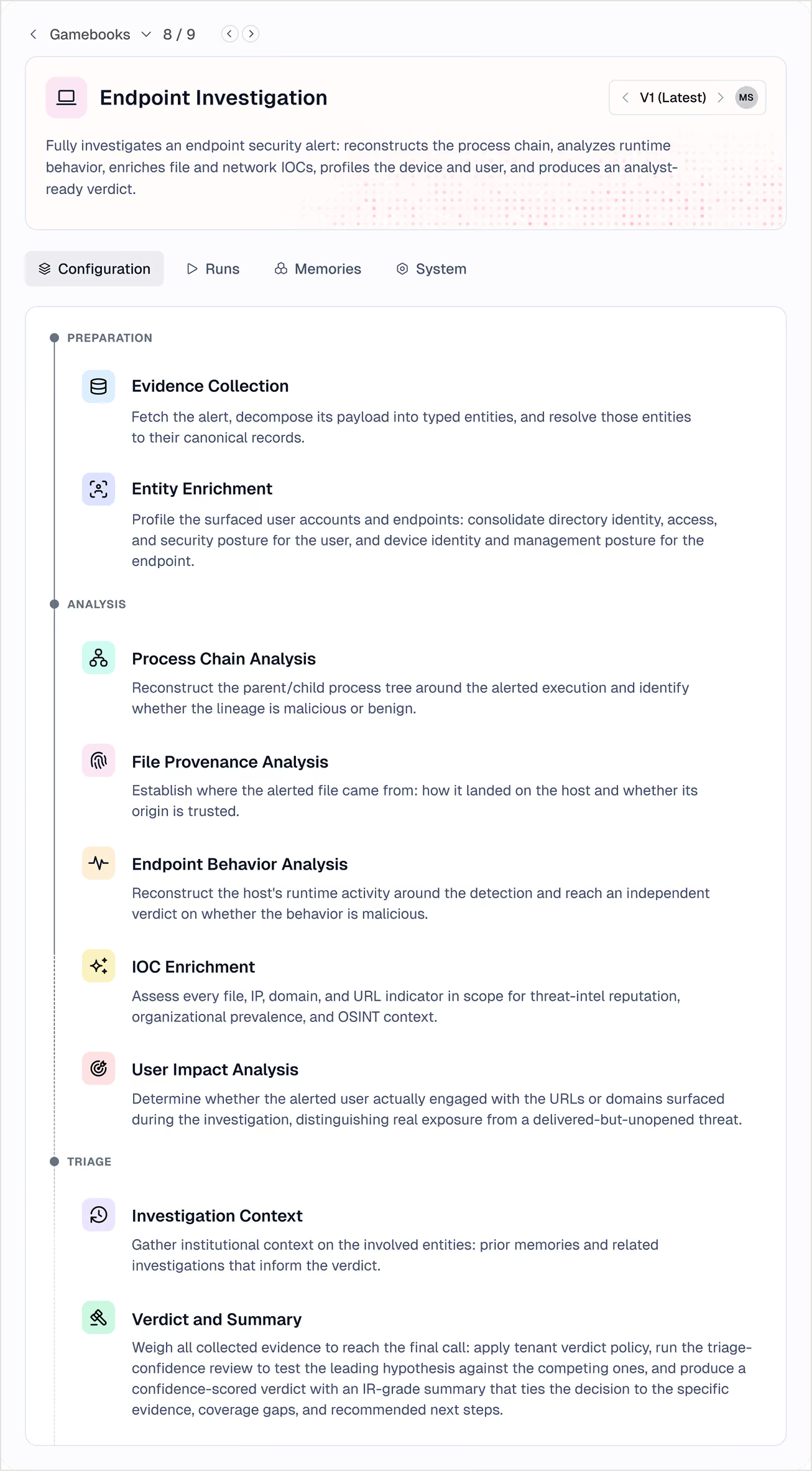
Building agentic workflows is hard. With Mate you get elite gamebooks out of the box, and bring your own knowledge in two ways, no rip and replace:

Bring your playbooks
Mate translates your SOAR playbooks into Gamebooks. Brittle API calls get replaced. Your custom logic stays.

Describe what you need
Gamebooks are extendable by design. Write the investigation in plain language. Use your Workflows, 3rd Party Tools, 1st Party Tools and Best of Breed Agents. Mate tests it against past cases, runs it in shadow mode, then waits for your sign-off.

Gamebooks work through changes
Your reality keeps changing. Gamebooks keep working because they are driven by intent and Mate’s context graph, not hard coded API calls and individual knowhow.

Ownership - On Us
Building and testing agents is no longer your problem. When you customize a Gamebook, it runs through Mate's evals and tests before it goes live. This used to be your problem if it broke. Now it's ours.

playbooks vs. ate gamebooks
You swap your EDR
CrowdStrike becomes SentinelOne.
Every node tied to CrowdStrike breaks.
The Gamebook doesn't change.

6 of 12 nodes need rewriting.
New vendor, new APIs, new playbook.

Zero changes needed.
Same Gamebook. New connector swapped in automatically.
M&A: new stack overnight
The acquired company runs different tools on different infrastructure. Nothing from this playbook transfers. The Gamebook works across both.
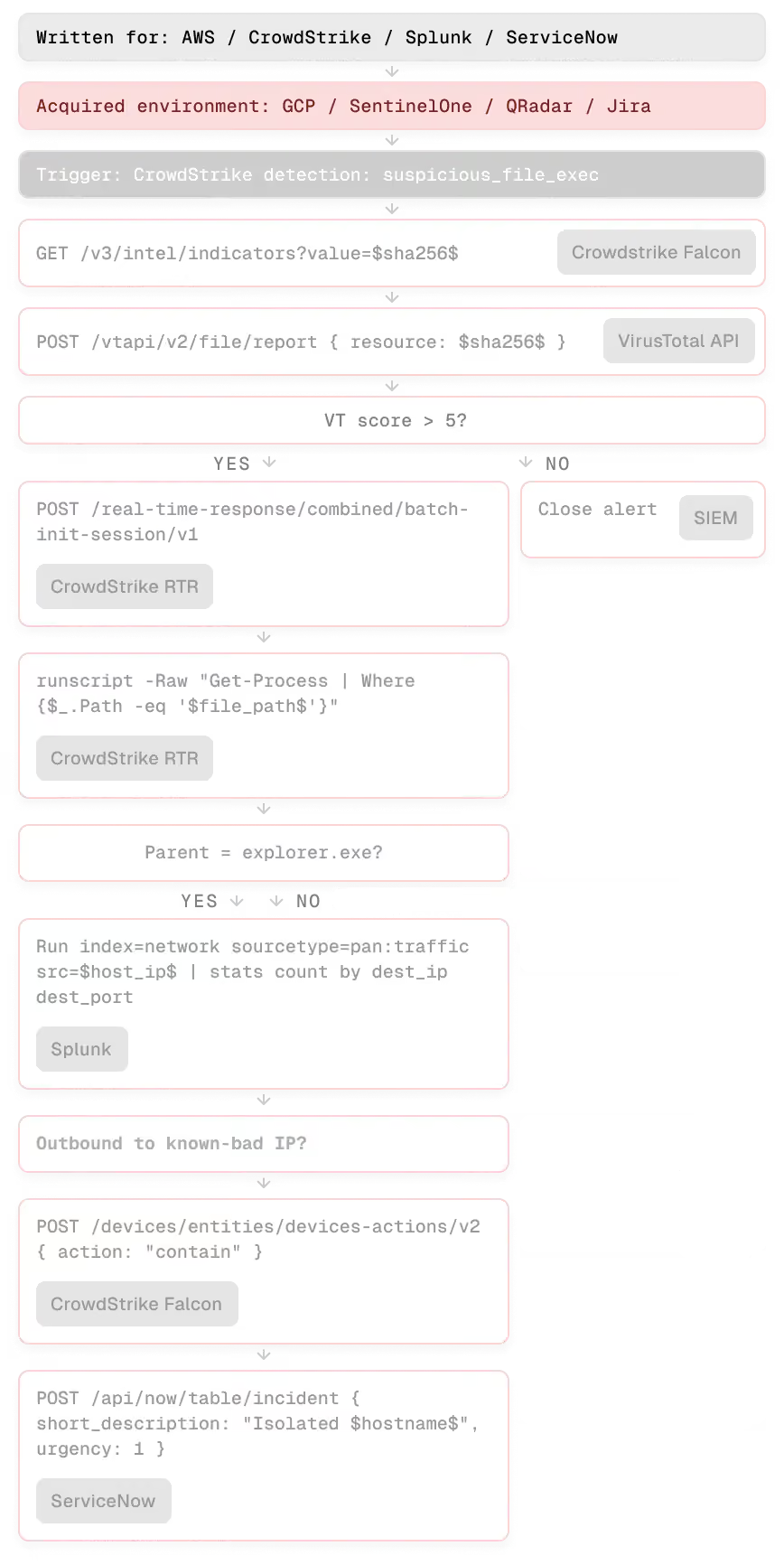
0 of 12 nodes work.
Different tools, different infrastructure, different assumptions. Rebuild from scratch.
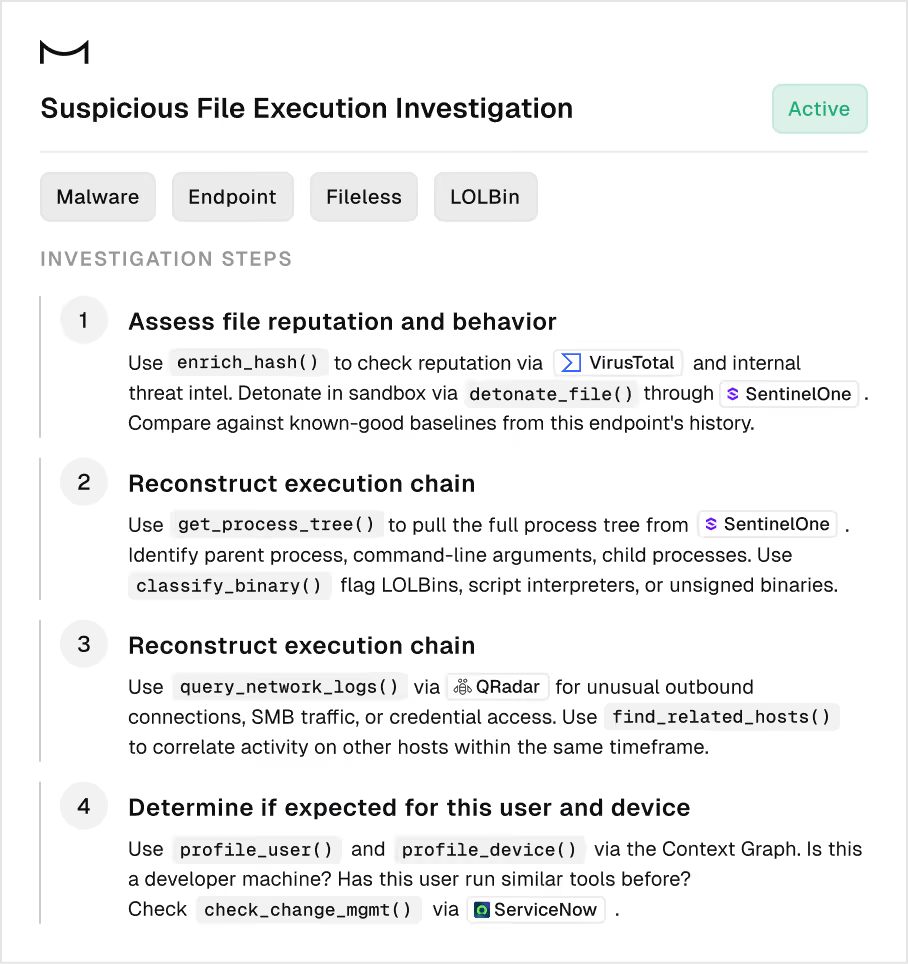
No automation rebuilt.
Different stack, same investigative logic.
An alert type no one covered
1,400+ alerts of this type this quarter. Oldest: 9 days. No playbook was ever built for it. Mate's pre-built Gamebooks already cover it.

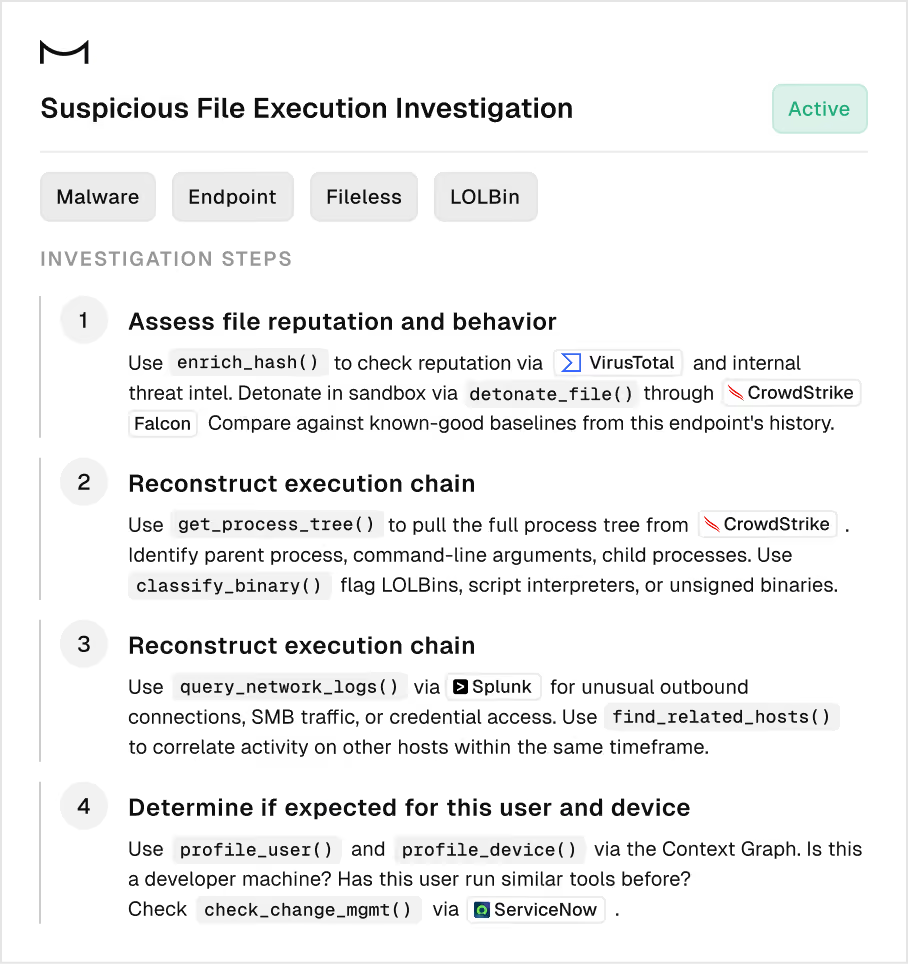
Pre-built.
Active from day one. Mate ships Gamebooks for core investigation domains.
Your senior analyst leaves
Sarah built your playbooks. Four nodes depend on her undocumented decisions. The Gamebook's knowledge lives in the graph.
The playbook runs.
The reasoning behind it left with Sarah.
No single-author dependency.
Knowledge lives in the graph, not in one person's head.
6 of 12 nodes need rewriting.
New vendor, new APIs, new playbook.
Zero changes needed.
Same Gamebook. New connector swapped in automatically.
0 of 12 nodes work.
Different tools, different infrastructure, different assumptions. Rebuild from scratch.
No automation rebuilt.
Different stack, same investigative logic.
Pre-built.
Active from day one. Mate ships Gamebooks for core investigation domains.

The playbook runs.
The reasoning behind it left with Sarah.
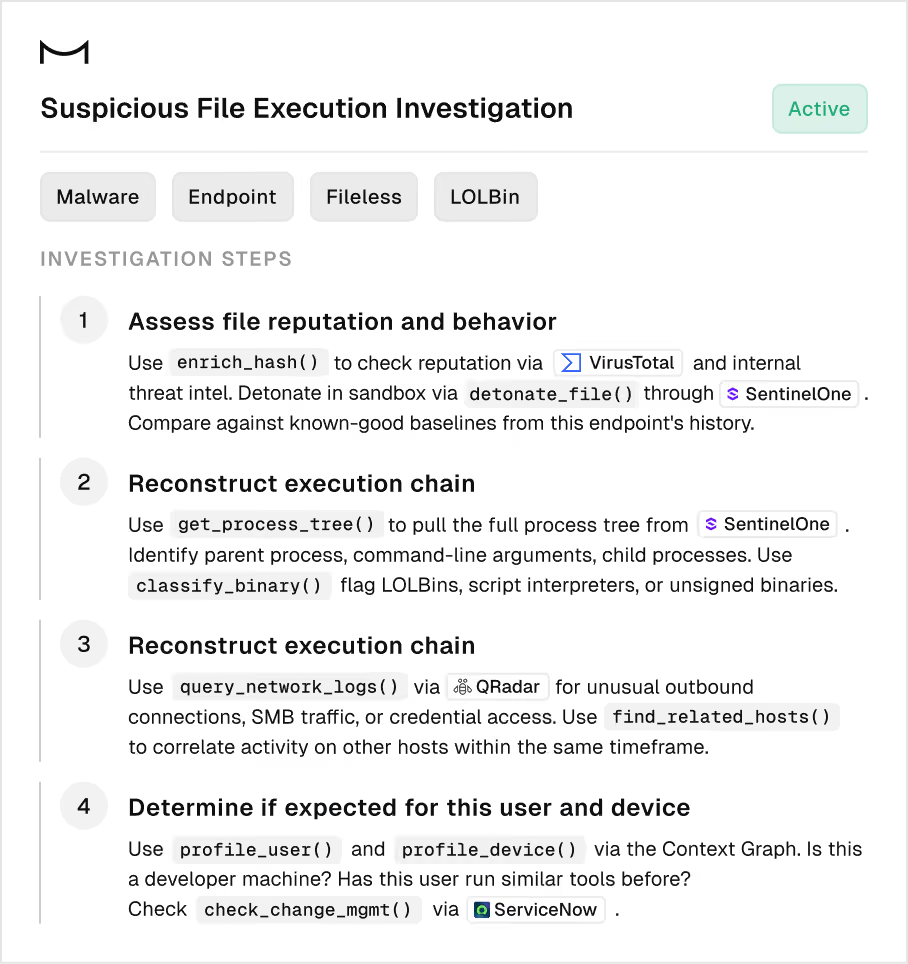
No single-author dependency.
Knowledge lives in the graph, not in one person's head.