The process that stopped scaling
For twenty years, security operations ran on a simple process. Send every log you can afford to one place, write rules on top of it, and hire people to work the queue. The SIEM sat at the center, and everything else was arranged around it.
Eventually, it stopped scaling. The first problem was cost. You pay to move data, ingest it, store it and query it, so every team makes hard calls about what to leave out. The second was sprawl. Data kept moving into lakes and point tools, each with its own schema and query language.
The third was the hardest to address: the knowledge that decides most security cases was never a log. Who owns this system. Who approved this change. Why the team closed a case like this one last quarter. That knowledge lives in tickets, wikis, chat threads and HR systems, and in the heads of a few senior analysts.
AI agents and the accuracy problem
AI agents arrived to solve these problems. They query data where it lives, read across tools and query languages, and pull in tickets and documents a SIEM never held. They're fast, they work around the clock, and they've read more than any analyst ever will.
However, one challenge came with them: accuracy. More reach means more data to reason over, and more chances to reason over something incomplete or wrong. When the answer isn't in the data they can see, they do what any of us would do in their place. They guess, and they sound exactly as sure as when they know.
What it looks like on a real alert
Here's how that plays out. An alert fires on a finance mailbox: a new rule forwards every invoice to a domain that looks a lot like one of your vendors. The agent sees a rule and a domain. The real answer is spread across three other systems: the vendor list, which doesn't include that domain; HR, which shows the mailbox owner on leave; and a ticket from last week asking to switch the vendor's domain. The attacker filed that ticket. An agent that can't reach the vendor list, or that trusts the ticket without checking it, closes the alert as an approved change.
Every point of failure in that story is about data. Could the agent reach it? And was what it reached true?
That matters, because in cyberdefense an inaccurate decision can mean game over for your business.
Two jobs that fix it
Fixing it starts with two old, unglamorous jobs, done with far more rigor than security has ever given them.
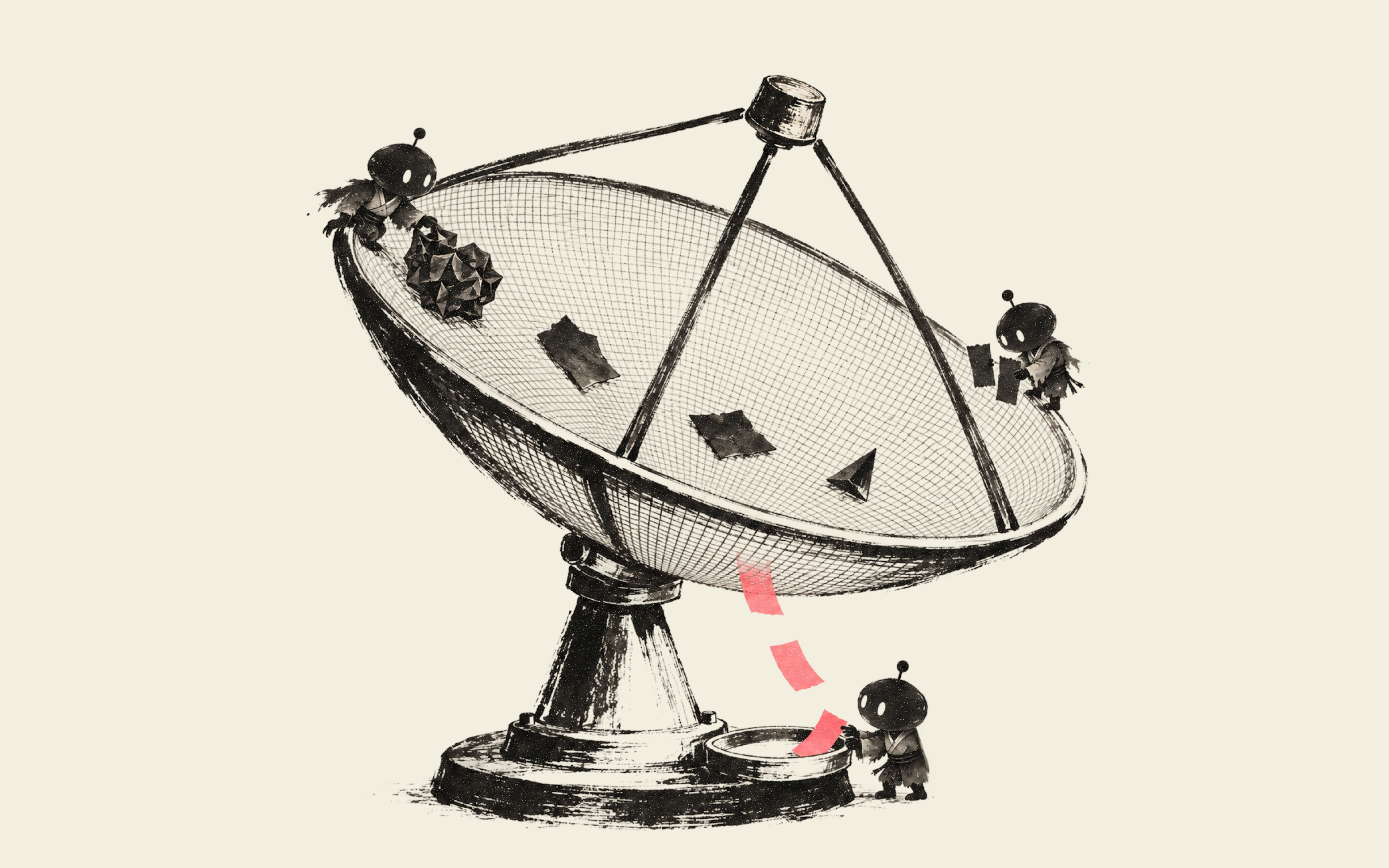
Collect. At Mate, we call this Gated Collection. It starts from the questions a decision depends on, rather than from the logs you happen to have: ownership, approvals, expected behavior, past reasoning. Then it goes where those answers live, inside and outside the SIEM, and queries them in place. The gate is relevancy. Mate learns which data actually decides cases in your environment and collects that, so agents work from what matters and you stop paying to ingest what you don't need. It's also honest about what's missing. A gap you can see is a gap you can close. A gap an agent fills with a guess is a risk you don't know you're carrying.
Clean. At Mate, we call this Data Purification. Collected data is duplicated, stale, contradictory, and sometimes planted, so we treat it the way engineering treats code. Every new record is a change, checked against what's already known before an agent can use it. When two sources disagree, the one with authority over that kind of data wins, and a change only a weaker source supports is held as unverified. Duplicates collapse into one, and stale records are dropped. Every record keeps its source, so it can be traced and rolled back. What comes out is smaller than what went in, and far easier to trust. Done right, the planted ticket never reaches an agent at all.
Why this can't wait
Two things make this urgent. Attackers have AI too, and they will aim at whatever your agents trust. If an agent believes tickets, attackers will file tickets. Poisoned context is going to become as ordinary as phishing.
And agents are being trusted to act. Revoking a session, isolating a host and blocking a domain are moving from recommendations to actions. When an agent acts on a wrong fact, the mistake happens at machine speed, across every system it touches.
Where to start
Three questions can guide you in the process:
- What do our security decisions actually need to know, and where does each answer live today?
- When two of our systems disagree about a fact, which one wins, and does anyone know that?
- If an agent made a decision tomorrow, could we trace every fact behind it back to its source?
Models will keep getting better, and every team will have access to the same ones. Your data, and how well you collect and clean it, belongs only to you. That's where accuracy is decided.